Buying Guide
Where the floor space comes from: FSI, premium and TDR
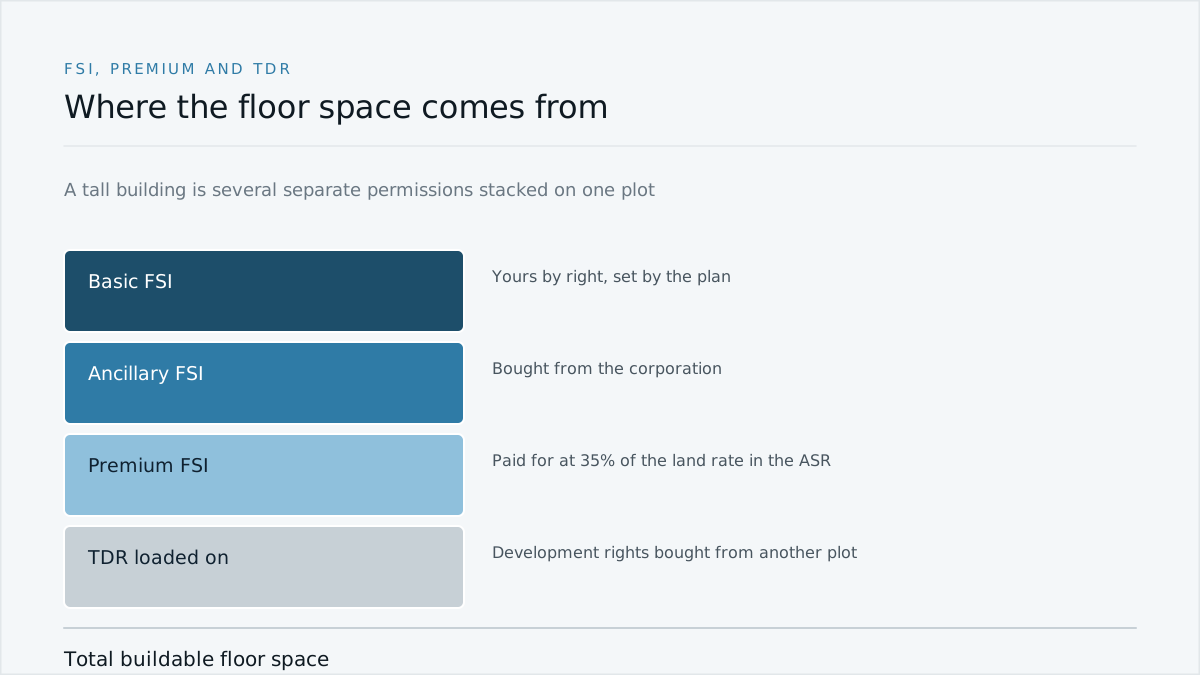
How does a seven-acre plot hold 1,050 homes across eleven towers? Not by right. A tall building is four separate permissions stacked on one piece of land.
5 August 2026 · 7 min read
Buying Guide
The monthly charge is negotiated for about ninety seconds during a booking. On a thousand-home scheme with a clubhouse and six parking levels, it is the second largest cheque you will write.
Venkatesh Skydove Sales · 7 August 2026 · 7 min read
Nobody chooses a flat on the maintenance charge. It comes up near the end of a long conversation about price, it is quoted as a number per square foot per month, and it is agreed in about ninety seconds.
Then you pay it every month for twenty years, and somewhere around year twelve you are asked for a lump sum on top.
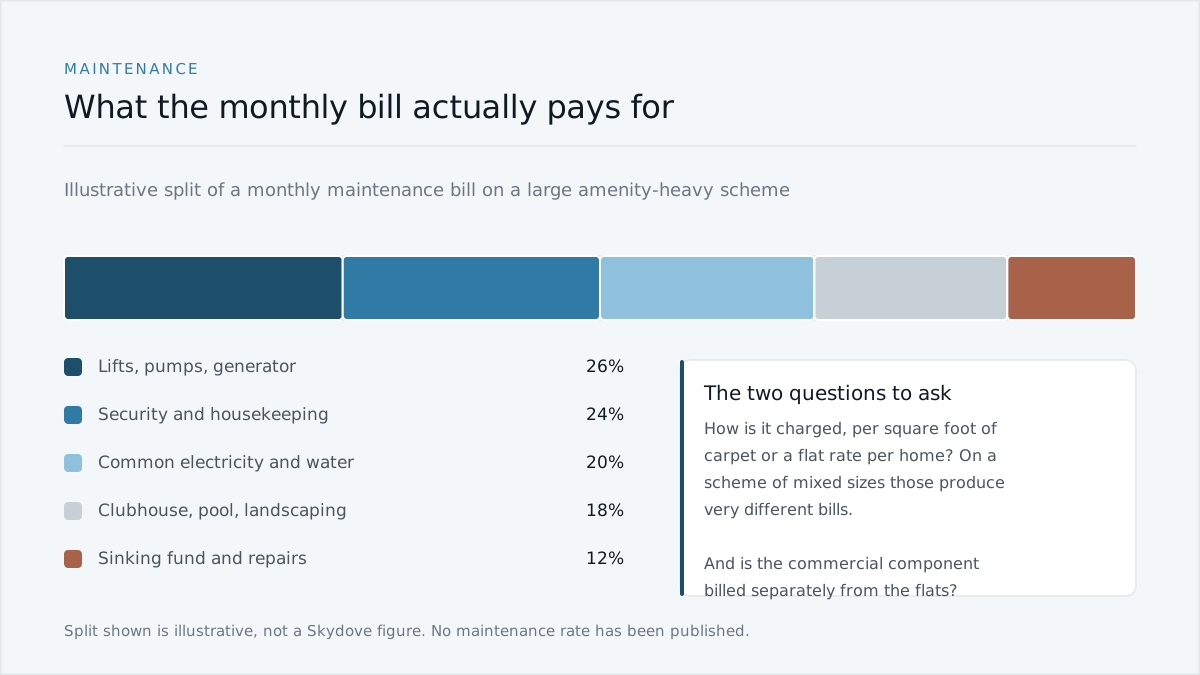
On a large amenity-heavy scheme it splits roughly into five things: mechanical services, people, common utilities, amenity upkeep, and a reserve.
Lifts, pumps, the generator and the sewage plant have annual maintenance contracts. Security and housekeeping are salaries. Common area electricity and water are consumption. The clubhouse, the pool and the landscaping are upkeep. And the last slice is meant to be saved rather than spent.
Charged per square foot of carpet, a 4 BHK pays roughly twice what a 2 BHK pays. Charged as a flat rate per home, they pay the same.
Skydove runs 2, 3 and 4 BHK in the same development, so this is not academic. The basis is worth asking about long before it is worth arguing about.
Skydove has a commercial component. Commercial units generate different loads, different visitor traffic and different wear. Whether they sit inside the residential maintenance account or outside it is one of the most consequential structural questions on a mixed-use scheme, and it is covered further in the piece on mixed use.
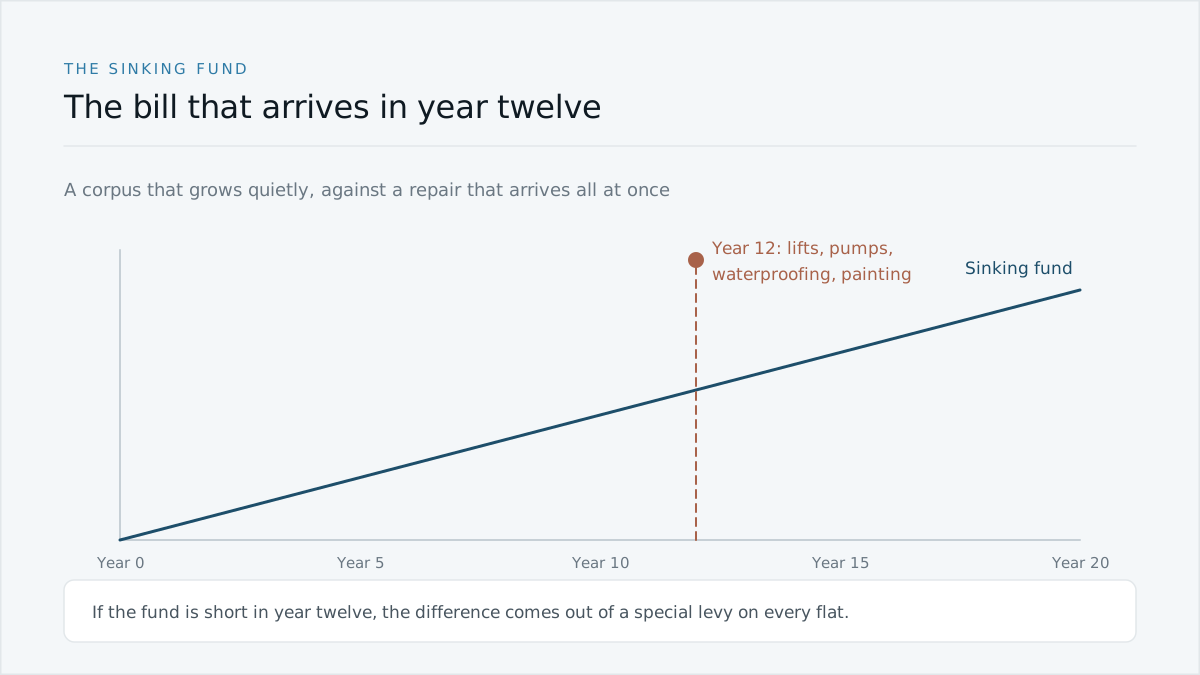
A sinking fund is a reserve for capital replacement rather than routine repair. Lifts, pumps, external painting, waterproofing, the generator and the sewage plant all have finite lives, and they all come due within roughly the first fifteen years.
Under the co-operative society rules a society is expected to build and maintain such a fund. In practice many committees keep the monthly charge low because that is what residents ask for, and the fund is the line that gets squeezed.
The result is predictable. In year twelve the lifts need replacing, the fund covers a third of it, and every flat receives a special levy for the rest.
Separately from the monthly charge, most Pune developers collect a one-time corpus or interest-free maintenance deposit at handover. It is meant to be transferred to the society when it is formed.
Three things to establish about it in writing.
No maintenance rate, corpus figure or amenity schedule has been published for this project. The developer has released the land area, the tower count, the home count, the configuration mix and the structure, and nothing else.
So none of these questions has an answer yet. What they have is a deadline: the answers get fixed when the cost sheet is drawn, which is before anybody shows it to you. Asking early is the only way to be asking while it still matters.
Sources
Buying Guide
How does a seven-acre plot hold 1,050 homes across eleven towers? Not by right. A tall building is four separate permissions stacked on one piece of land.
5 August 2026 · 7 min read
Buying Guide
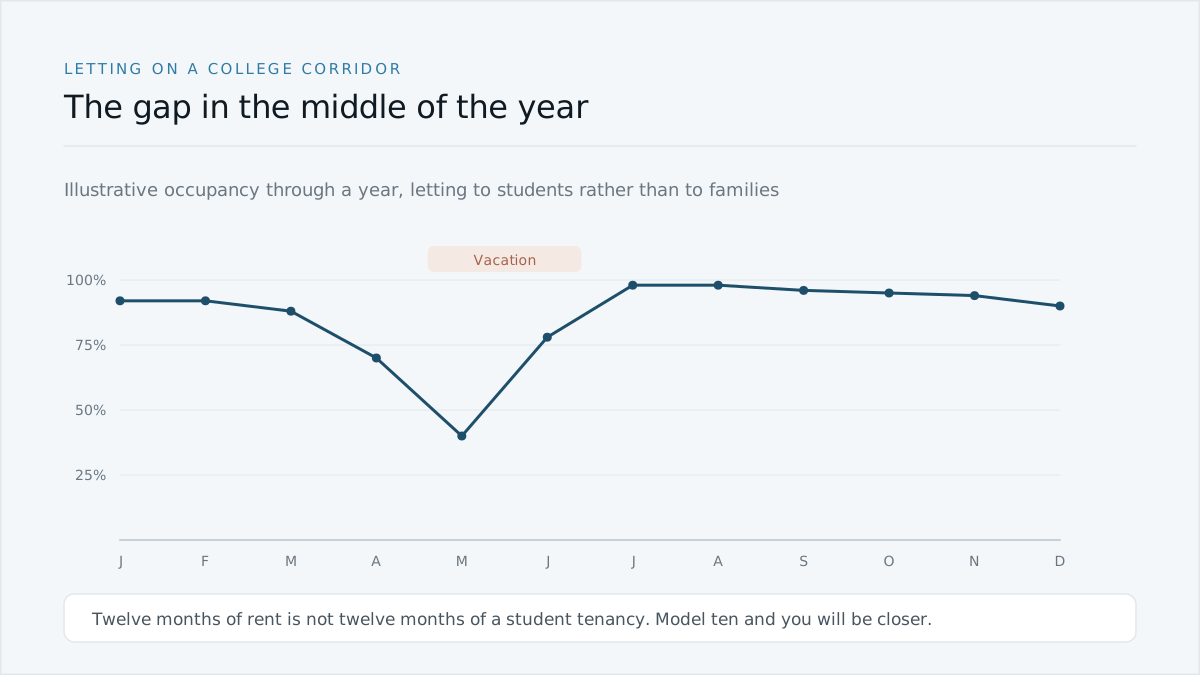
The rental arithmetic on Sinhagad Road is not the arithmetic on an IT corridor. Different tenant, different lease length, and a gap in the middle of every year.
3 August 2026 · 6 min read
Buying Guide
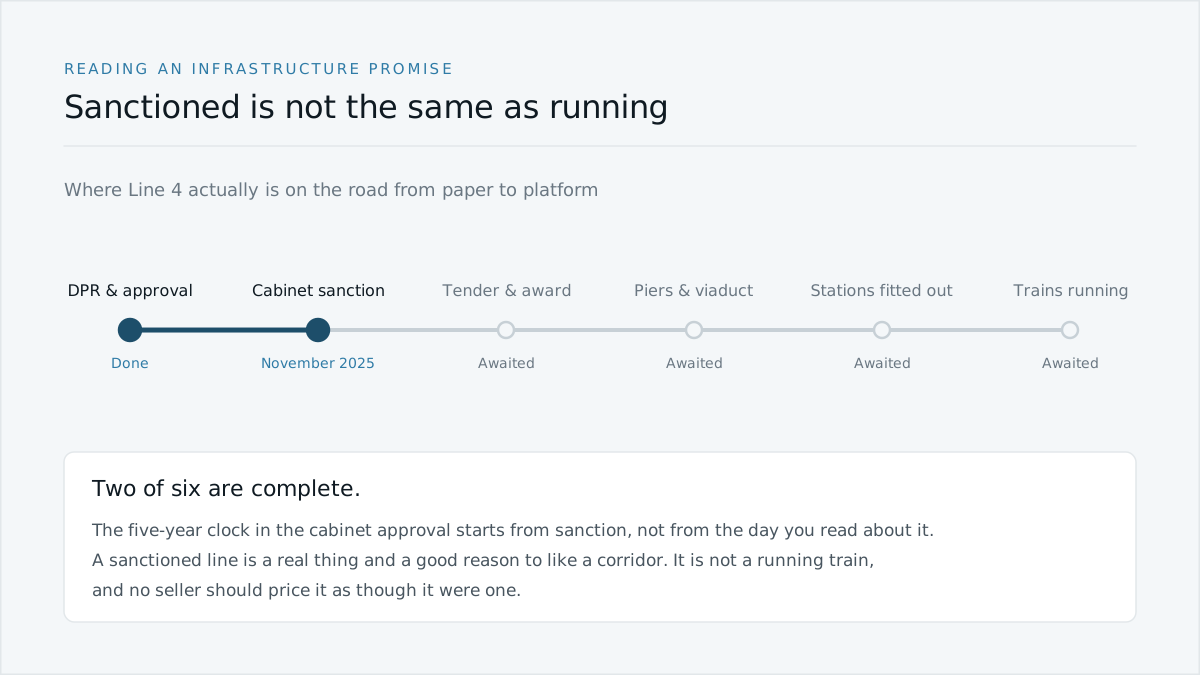
Every Pune sales conversation includes a metro, a flyover or a ring road. Some of them are running, some are sanctioned, and some are a line on a slide. Here is how to sort them.
1 August 2026 · 6 min read
Carpet areas, the price list and the floor plans go to registered buyers before they reach the portals.