Where the floor space comes from: FSI, premium and TDR
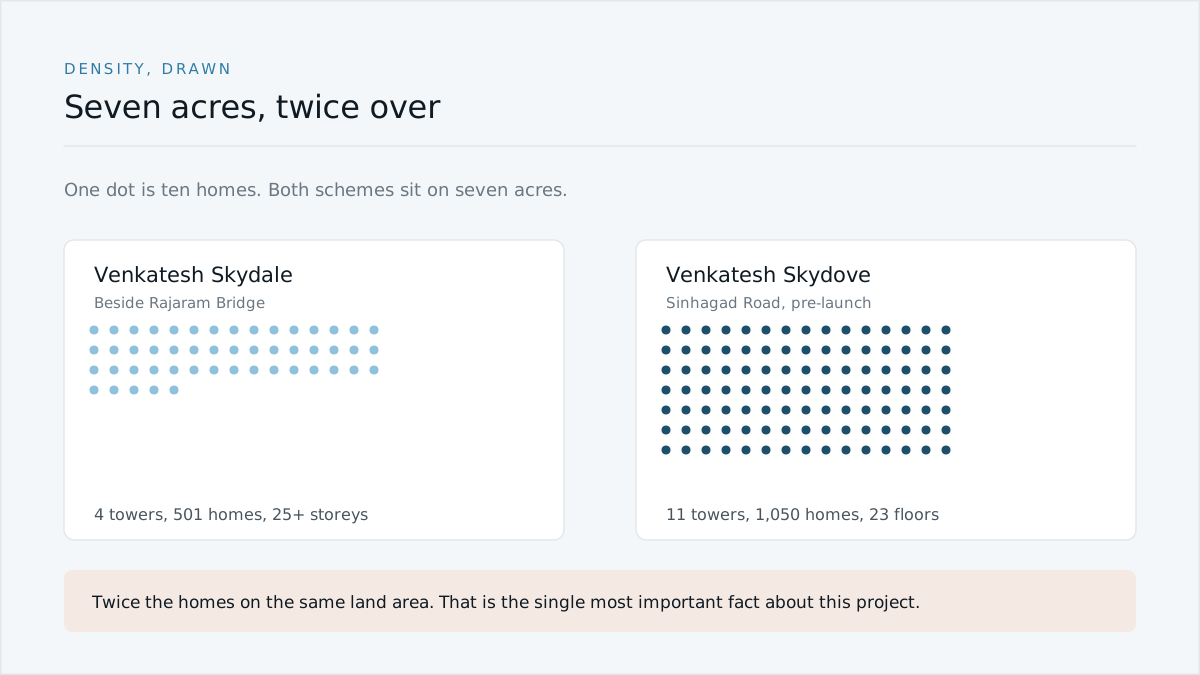
How does a seven-acre plot hold 1,050 homes across eleven towers? Not by right. A tall building is four separate permissions stacked on one piece of land.
Venkatesh Skydove Sales · 5 August 2026 · 7 min read
A reasonable question about Venkatesh Skydove is how seven acres holds eleven towers and 1,050 homes at all.
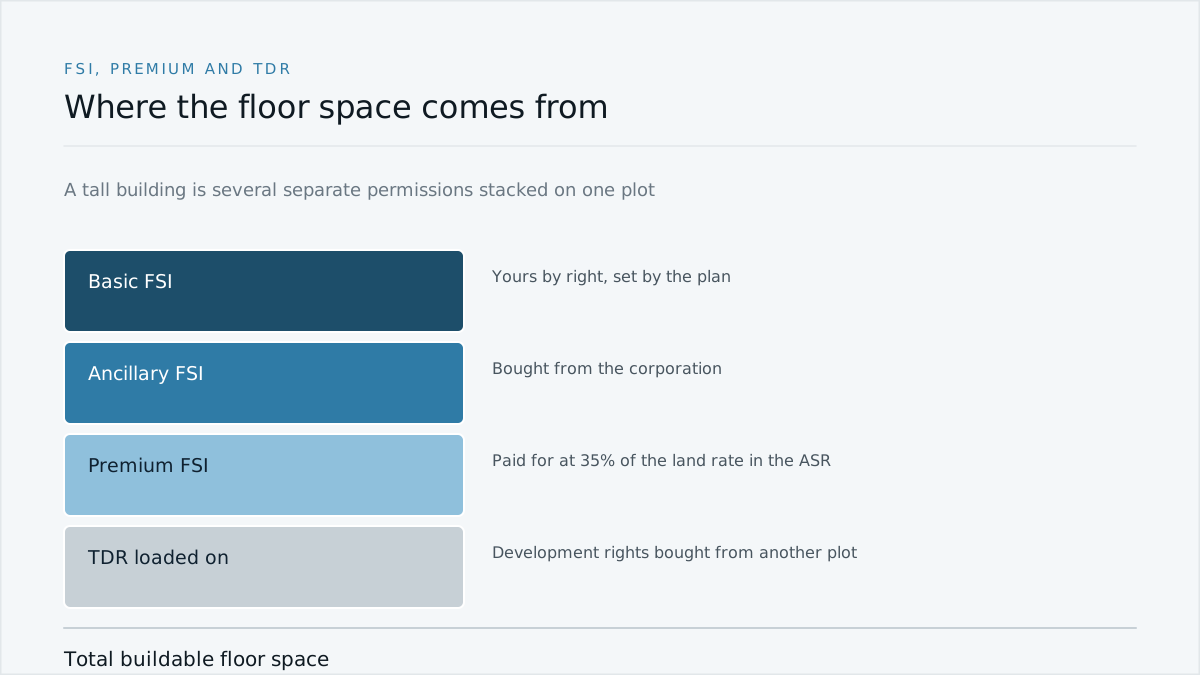
The answer is that a developer does not simply get to build as much as fits. The buildable floor space on any Pune plot is assembled from four separate things, and only the first of them comes free.
Floor Space Index, in one sentence
FSI is the ratio of total built floor area to plot area. An FSI of 1 on a one-acre plot means one acre of floor space, spread over however many storeys you like.
Everything else in this article is about how that number gets bigger.
The four sources
1. Basic FSI
What the development plan permits on that plot without paying anything extra. It varies by zone and by the width of the road the plot fronts onto.
2. Ancillary FSI
Additional area purchased from the planning authority, calculated as a proportion of the basic entitlement. Under the current Maharashtra regulations this is bought rather than granted.
3. Premium FSI
Also called paid or fungible FSI. A further increment available on payment of a premium to the corporation. The rate is set as a percentage of the land value in the annual statement of rates, which is why the ready reckoner matters to a developer as well as to a buyer paying stamp duty.
4. TDR loaded onto the plot
Transferable Development Rights. When land is taken for a public purpose, a road widening, a reservation, a heritage constraint, the owner is compensated with rights to build elsewhere. Those rights are tradeable, and a developer buys them and loads them onto a receiving plot.
The constraint people forget
FSI tells you how much floor area. It does not tell you how tall.
Height in Pune is tied to the width of the access road, among other things, and a project can hold plenty of unused FSI and still be refused the storeys to use it. Two plots of identical size with different frontage produce genuinely different buildings.
This is one reason the missing address for Skydove matters more than it looks. The road the plot fronts onto is part of what determines the building, and no address has been published. That reasoning is set out in a separate piece.
What the stack buys, in practice. The same developer's neighbouring scheme holds 501 homes on seven acres; Skydove is planned for 1,050 on the same area. · Illustration
Why a buyer should care at all
Because unsanctioned FSI is the classic project killer. A scheme built on rights that were assumed rather than obtained is the scheme that stops for two years while it is regularised.
Because it explains the density. Understanding that 150 homes per acre is a purchased outcome rather than an accident makes it easier to ask the right questions about open space and circulation.
Because the premium is a real cost. It is in the price you pay, and a project that bought heavily has a different cost base from one that did not.
How to check it
The commencement certificate and the sanctioned plans state the approved FSI and how it was made up. On a registered project both are attached to the MahaRERA record and are downloadable by anybody.
For Skydove they are not, because the project has no registration yet. That is the practical consequence of being pre-registration, and it is a genuine gap rather than an oversight by anyone.
When the number arrives, this is one of the first documents worth downloading. It tells you what the building is legally allowed to be, which is a firmer thing than what a brochure says it will be.
Sources
Unified Development Control and Promotion Regulations, Maharashtra
Locality and regulation research, compiled August 2026
Maintenance, the sinking fund, and the bill that arrives in year twelve
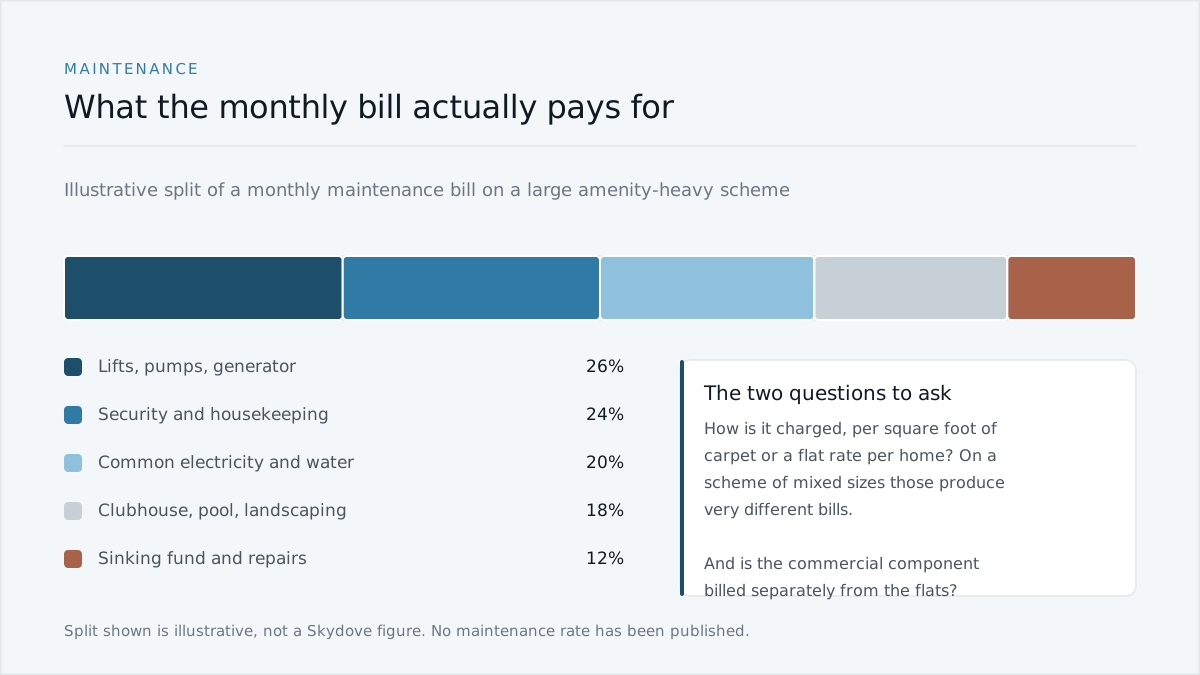
The monthly charge is negotiated for about ninety seconds during a booking. On a thousand-home scheme with a clubhouse and six parking levels, it is the second largest cheque you will write.
Letting a flat on a college road: the market nobody models
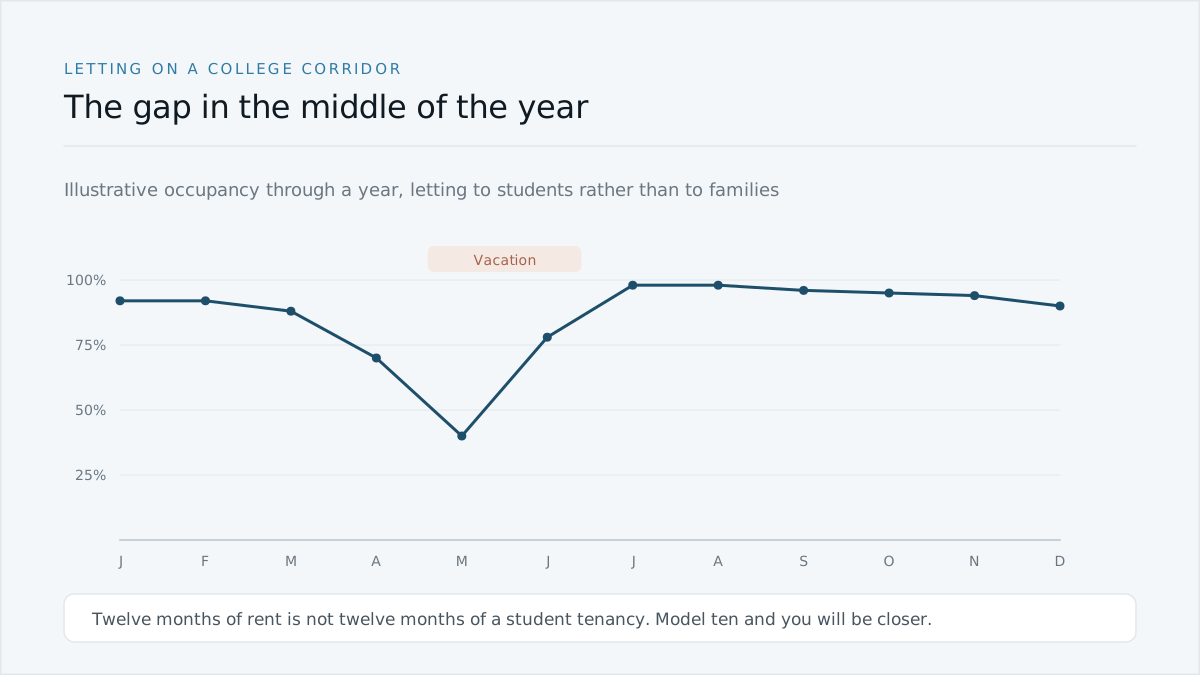
The rental arithmetic on Sinhagad Road is not the arithmetic on an IT corridor. Different tenant, different lease length, and a gap in the middle of every year.
How to weigh an infrastructure promise before you pay for it
Every Pune sales conversation includes a metro, a flyover or a ring road. Some of them are running, some are sanctioned, and some are a line on a slide. Here is how to sort them.