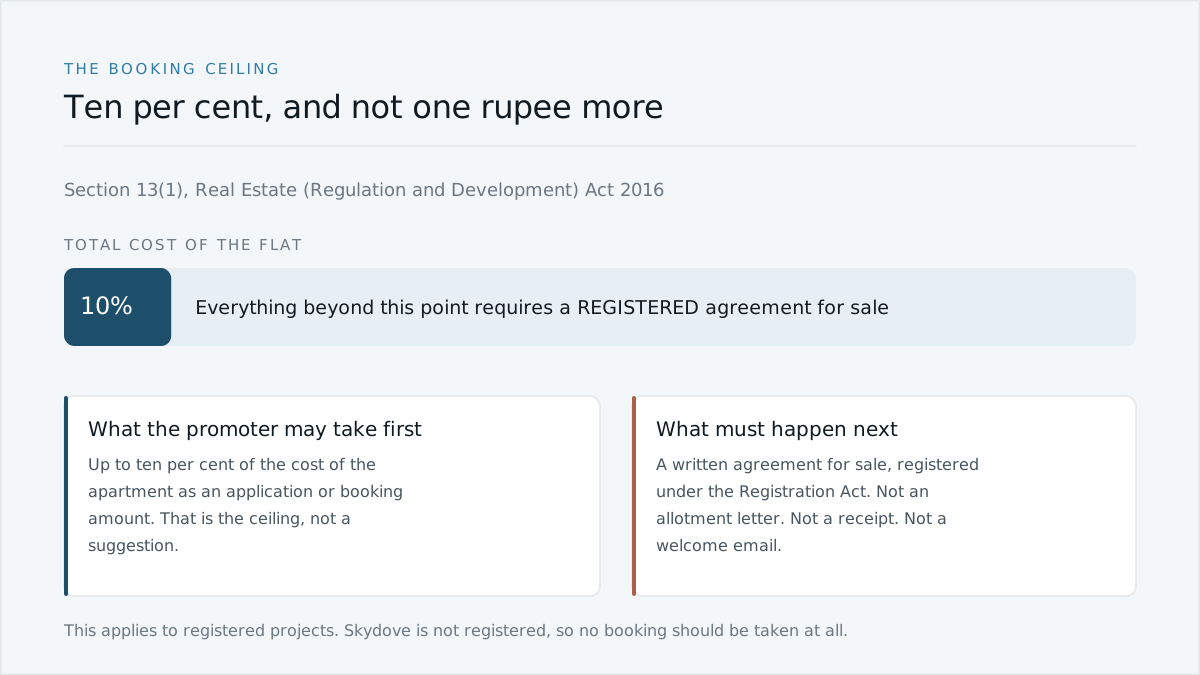
Section 13 caps what a promoter may take before a registered agreement for sale exists. Almost every buyer in Pune has been asked to cross that line, and most of them did.
Venkatesh Skydove Sales · 6 August 2026 · 6 min read
There is a rule in the RERA Act that is short, unambiguous, and broken more often than almost any other provision in it.
Section 13(1). A promoter shall not accept a sum more than ten per cent of the cost of the apartment, plot or building as an advance payment or an application fee, from a person, without first entering into a written agreement for sale and registering that agreement.
Reading it slowly
Ten per cent is a ceiling, not a stage. It is the maximum, not the expected first instalment.
It covers everything. Advance payment or application fee. Calling it a token, a booking amount, a goodwill deposit or an expression of interest does not move it out of the section.
The agreement has to be written and registered. Registered, at the sub-registrar, with stamp duty paid. Not signed in an office and filed in a drawer.
It is per person, per apartment. Splitting the payment across two family members does not create two ten per cents.
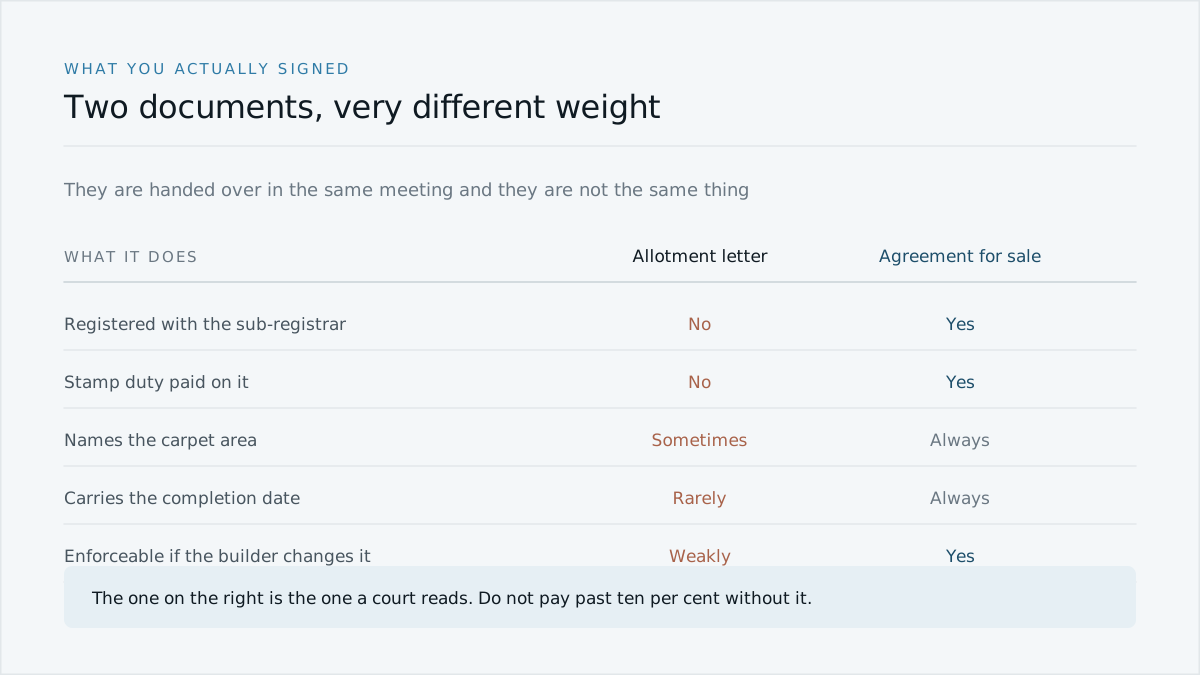
An allotment letter is not the document Section 13 is talking about. The comparison is set out in full in a separate piece. · Illustration
The substitution that gets made
What usually happens is that a buyer pays well past ten per cent and receives an allotment letter instead of a registered agreement. The letter looks official. It has the project name on it, a unit number, and a schedule of payments.
It is not the same document, and the difference is set out in the piece comparing the two. The short version is that an allotment letter is a promise from a company and an agreement for sale is an instrument a court reads.
What to do if you are asked
Ask for the registered agreement first. It is your entitlement, not a favour.
If the answer is that the agreement comes later, ask what percentage you are being asked for now, and do the arithmetic in the room.
Get every payment receipt to state the project by its registered name and its MahaRERA number.
Pay by traceable transfer. Never in cash, and never to a personal account.
If it has already happened, the remedy is a complaint to MahaRERA. The authority has consistently treated Section 13 breaches as recoverable.
Where Skydove sits
Outside all of this, for now, and in a way that matters.
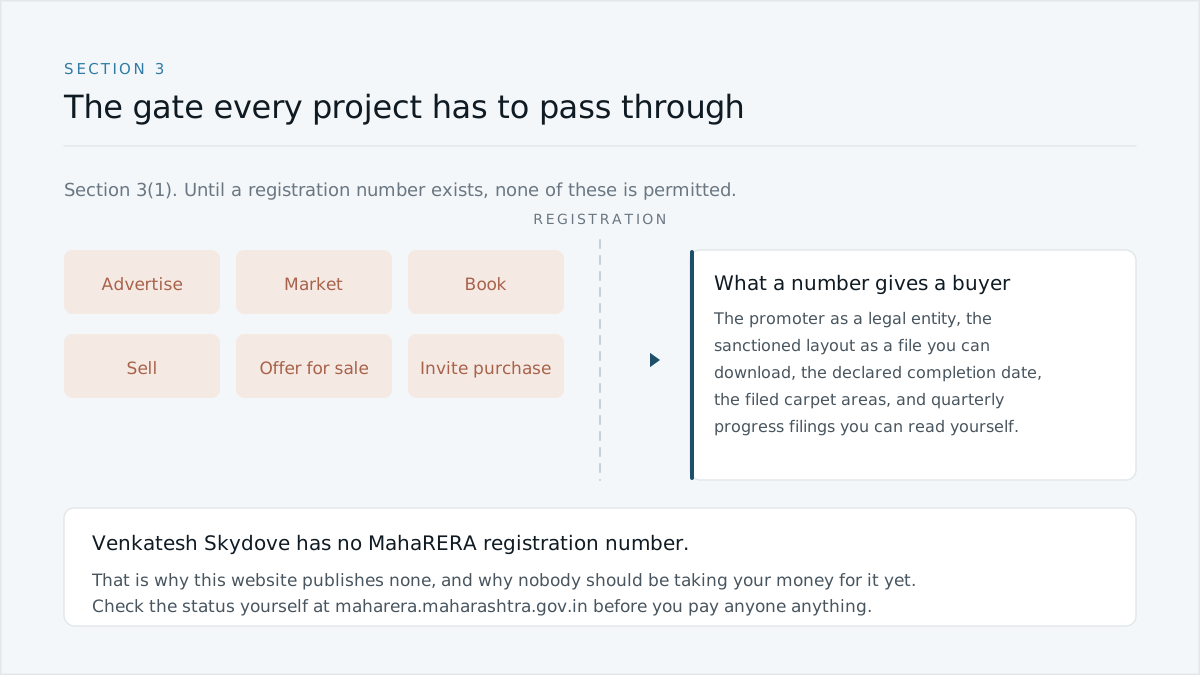
Section 13 governs what a promoter may take in a registered project. Skydove has no registration at all, which means the prior question applies: Section 3 bars booking and selling entirely until a number is granted.
So the ten per cent rule is not the test to apply here yet. The test is simpler. Nobody should be taking any money for this project today, at any percentage. Verify the registration status yourself at maharera.maharashtra.gov.in before you pay anyone anything.
This is general information about a statute rather than legal advice. Have your own agreement read by a lawyer before you sign it.
Section 3: what a builder may not do before registration
Venkatesh Skydove has no MahaRERA number. Under the RERA Act that is not a technicality about paperwork, it is a bar on advertising, marketing, booking and selling. Here is the actual rule.
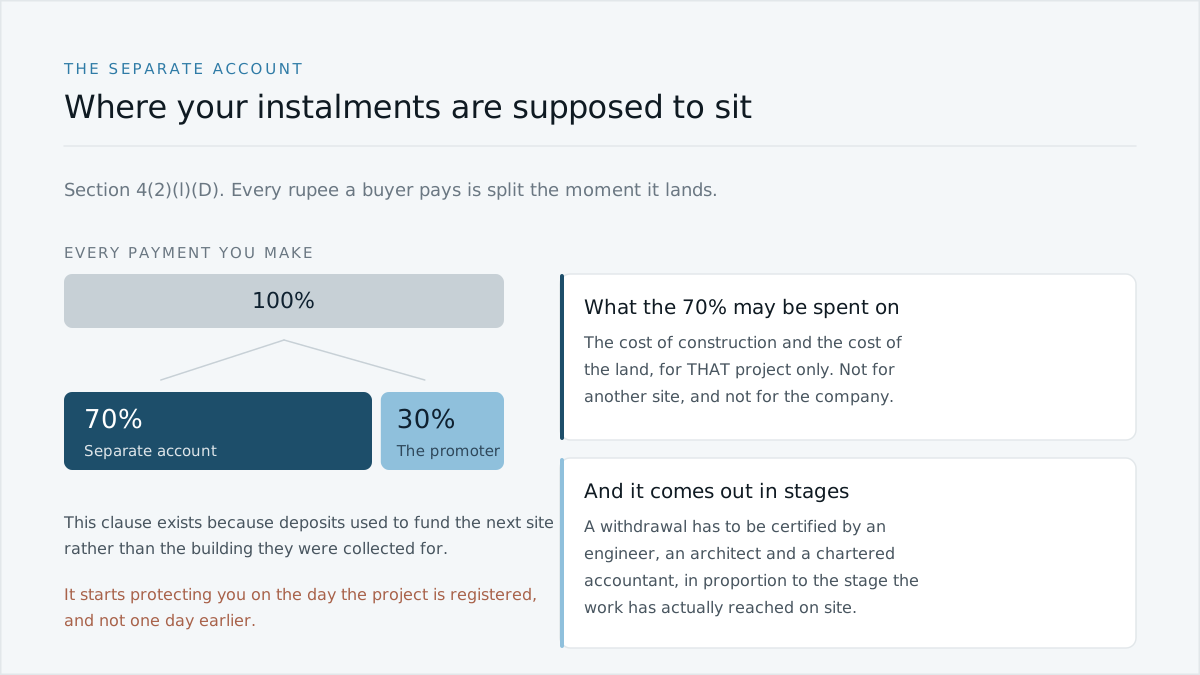
The seventy per cent account: where your instalments are supposed to sit
The clause that stops your money funding somebody else’s site. It is the most useful thing in the RERA Act and almost no buyer knows the account exists.
The allotment letter and the agreement for sale are not the same document
They arrive in the same meeting, they have the same project name at the top, and only one of them is an instrument a court reads. Most buyers cannot tell you which.