The seventy per cent account: where your instalments are supposed to sit
The clause that stops your money funding somebody else’s site. It is the most useful thing in the RERA Act and almost no buyer knows the account exists.
Venkatesh Skydove Sales · 4 August 2026 · 6 min read
Before 2016, the reason Indian projects ran years late was rarely that the builder could not build. It was that the money from project A had gone into buying land for project B.
There is a clause that exists specifically to stop that, and it is the most useful thing in the entire Act. Very few buyers have heard of it.
What it requires
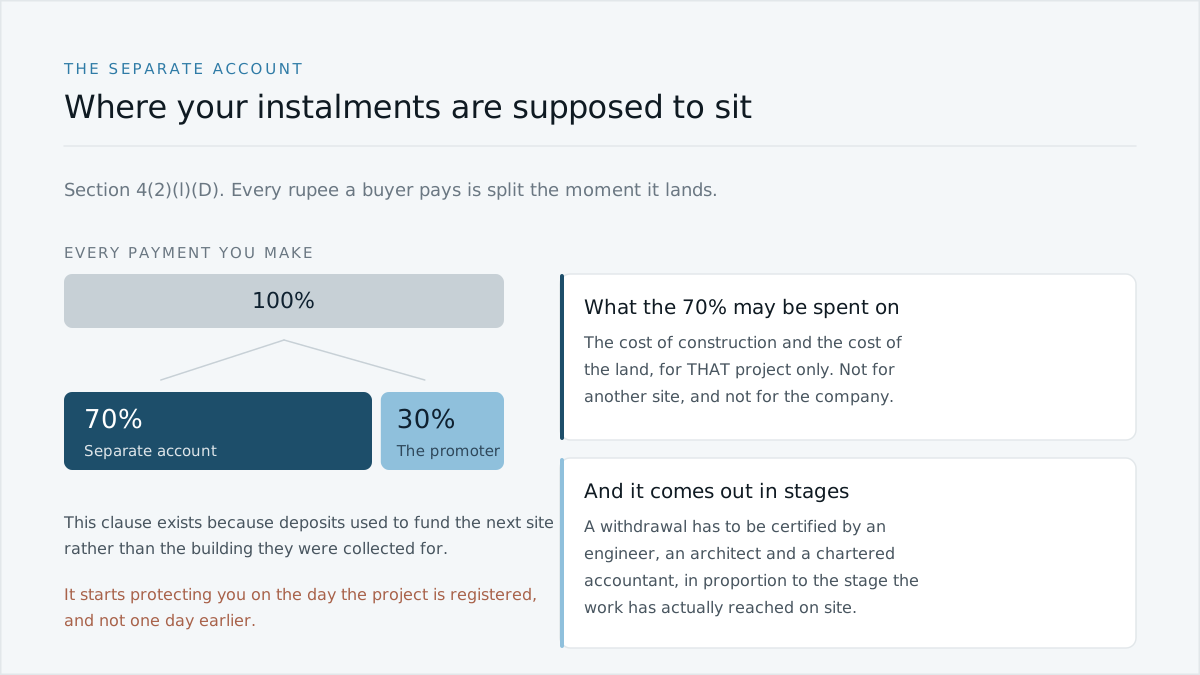
Section 4(2)(l)(D) requires a promoter, at the time of applying for registration, to declare that seventy per cent of the amounts realised for the project from allottees shall be deposited in a separate account in a scheduled bank.
That money is to cover the cost of construction and the cost of the land, and it is to be used only for that project. Not the company generally. Not the next site.
And it does not come out in one go
This is the part that gives the clause teeth. A withdrawal from that account has to be in proportion to the percentage of completion of the project, and it has to be certified by three separate professionals: an engineer, an architect and a chartered accountant in practice.
The engineer certifies the physical work. The architect certifies it against the sanctioned plans. The accountant certifies the arithmetic. Three signatures, three professional liabilities, before money moves.
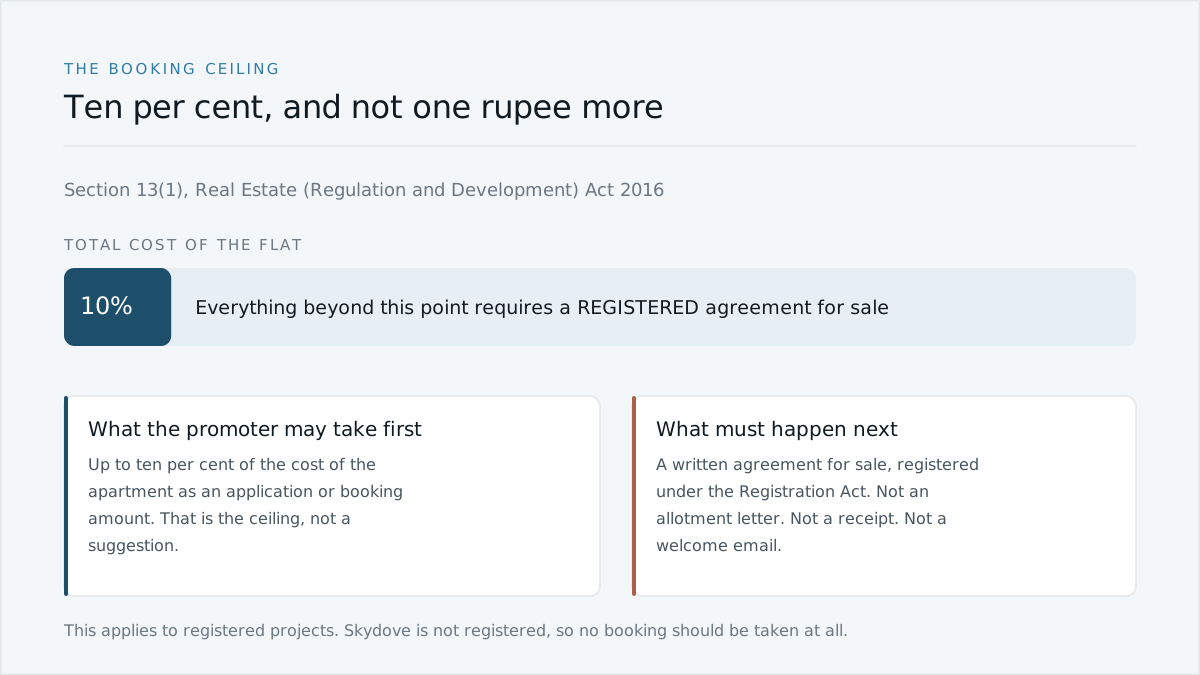
The companion rule. Section 13 caps what may be taken before a registered agreement exists; Section 4 governs where it goes afterwards. · Illustration
How to actually check it
Look up the project on the MahaRERA portal. The registration record carries the declared bank details for the separate account.
Pay into that account. Not into a different account named on an invoice, and never into a personal one. If the account you are asked to pay into is not the one on the portal, stop and ask why.
Read the quarterly progress filings. They show what the promoter has certified as complete, which is what governs how much they have been able to withdraw.
Compare the filing to the site. A declared sixty per cent completion against a site that plainly is not there is the most useful discrepancy a buyer can find, and it is grounds for a complaint.
Why none of this applies to Skydove yet
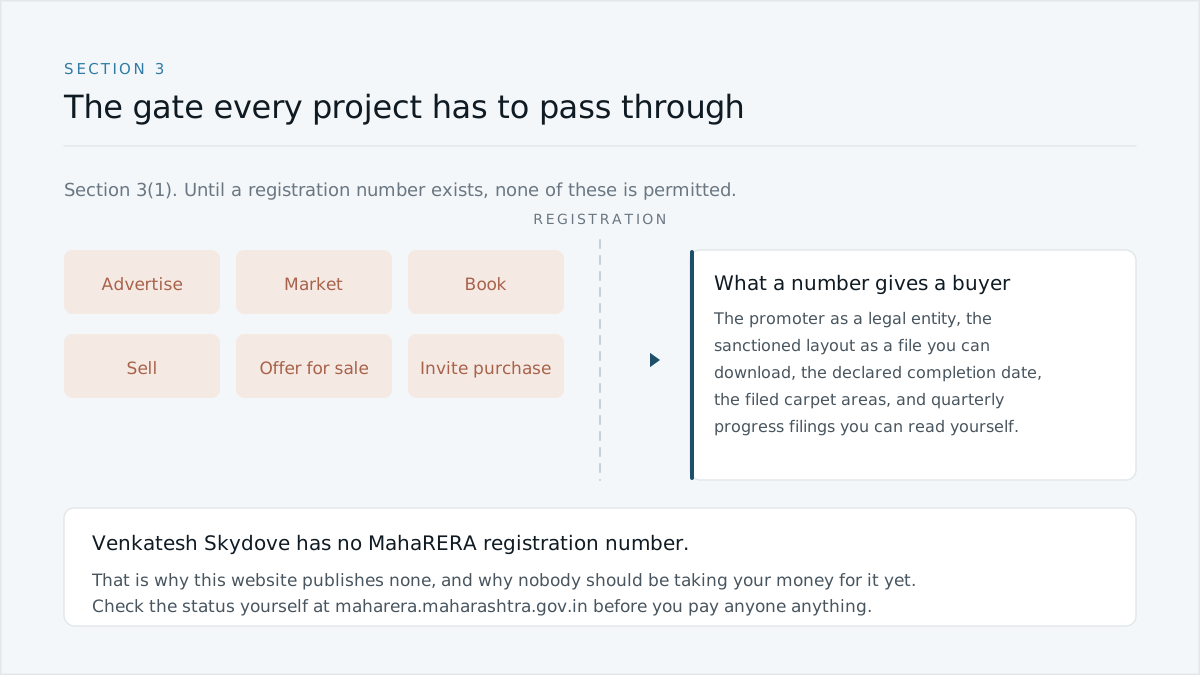
Because all of it is triggered by registration, and Venkatesh Skydove has no MahaRERA registration.
No registration means no declared separate account, no certified withdrawal mechanism, no quarterly filings and no regulator holding a file. It also means, under Section 3, that no money should be changing hands for this project at all.
Which is the practical point of this article. The protections are real, they are strong, and they start on the day the number is granted. Paying before that is paying outside the whole structure the Act built for you.
This is general information about a statute rather than legal advice. Verify the registration status and the declared account yourself at maharera.maharashtra.gov.in before you pay anybody.
Section 3: what a builder may not do before registration
Venkatesh Skydove has no MahaRERA number. Under the RERA Act that is not a technicality about paperwork, it is a bar on advertising, marketing, booking and selling. Here is the actual rule.
Section 13 caps what a promoter may take before a registered agreement for sale exists. Almost every buyer in Pune has been asked to cross that line, and most of them did.
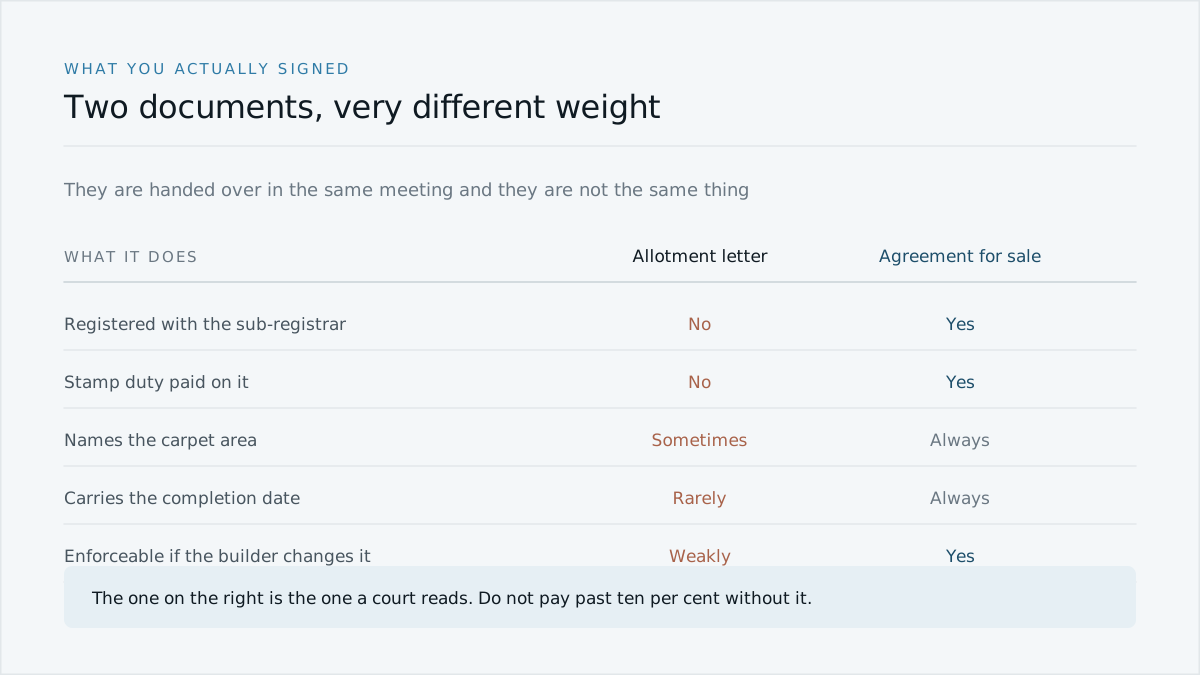
The allotment letter and the agreement for sale are not the same document
They arrive in the same meeting, they have the same project name at the top, and only one of them is an instrument a court reads. Most buyers cannot tell you which.