The allotment letter and the agreement for sale are not the same document
They arrive in the same meeting, they have the same project name at the top, and only one of them is an instrument a court reads. Most buyers cannot tell you which.
Venkatesh Skydove Sales · 2 August 2026 · 6 min read
You will be handed both. Often in the same meeting, often within twenty minutes of each other, and both will have the project name at the top in the same typeface.
One of them is a letter from a company. The other is a registered instrument. Knowing which is which is worth more than most of what you will read about a project.
The allotment letter
A letter from the promoter confirming that a particular unit has been allotted to you, usually with a payment schedule attached.
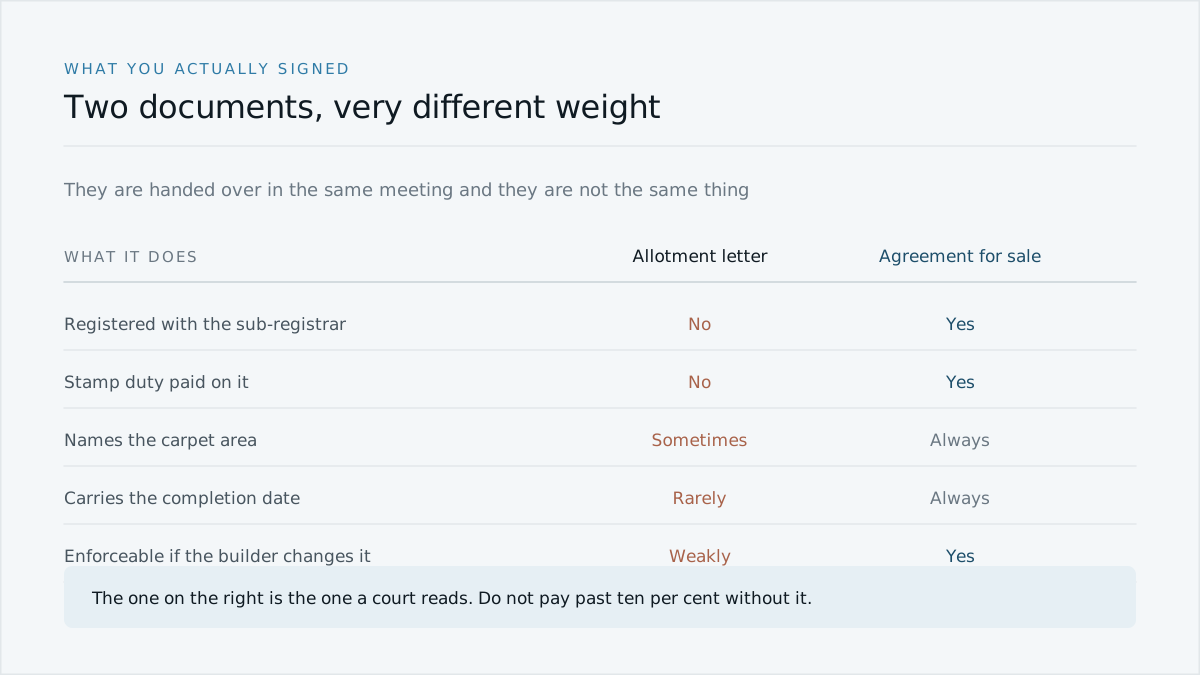
It is a real document and it has real evidential value. It is not registered, no stamp duty is paid on it, and it is written by the party whose obligations it describes. It frequently does not name a carpet area, and it very rarely carries a completion date.
The agreement for sale
The contract. Executed on stamp paper, registered at the sub-registrar’s office, and entered in the public record.
Under the RERA Act it has to carry the carpet area, the specification, the payment schedule tied to construction stages, and the date by which possession is to be handed over. That last item is what makes the delay provisions in Section 18 operable. Without a written date, there is nothing to be late against.
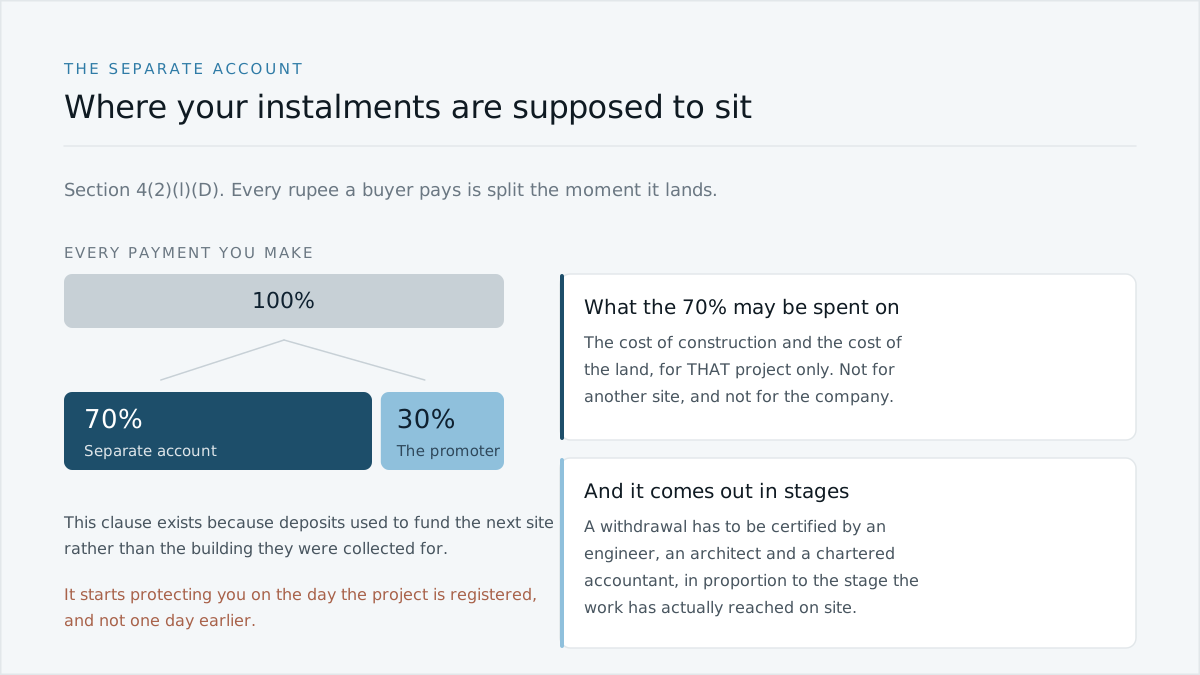
Once a registered agreement exists, the payments it schedules fall under the separate account rules as well. · Illustration
What actually differs, in practice
Enforceability. A registered agreement is evidence of title-related rights and is admissible without argument. An unregistered letter invites one.
Precision. The agreement must state the carpet area. A letter often states a saleable area or none at all, and the difference between those two numbers is real money.
The date. The agreement carries a possession date. Delay interest under Section 18 runs from it.
Change control. The agreement fixes the specification. Changing it later requires your consent, and material alterations to the sanctioned plans require the consent of two thirds of allottees.
Your loan. Most lenders will not disburse against an allotment letter alone. If a bank will not lend on it, that tells you something about its weight.
The five things to check on the agreement itself
The carpet area, stated as a number, in square metres or square feet, defined as carpet.
The possession date, as a date and not as a quarter or a season.
The payment schedule tied to construction stages rather than to calendar months.
The specification schedule, naming brands or grades rather than saying “as per design”.
The MahaRERA registration number of the phase your apartment is in, printed on the agreement.
Where this leaves Skydove
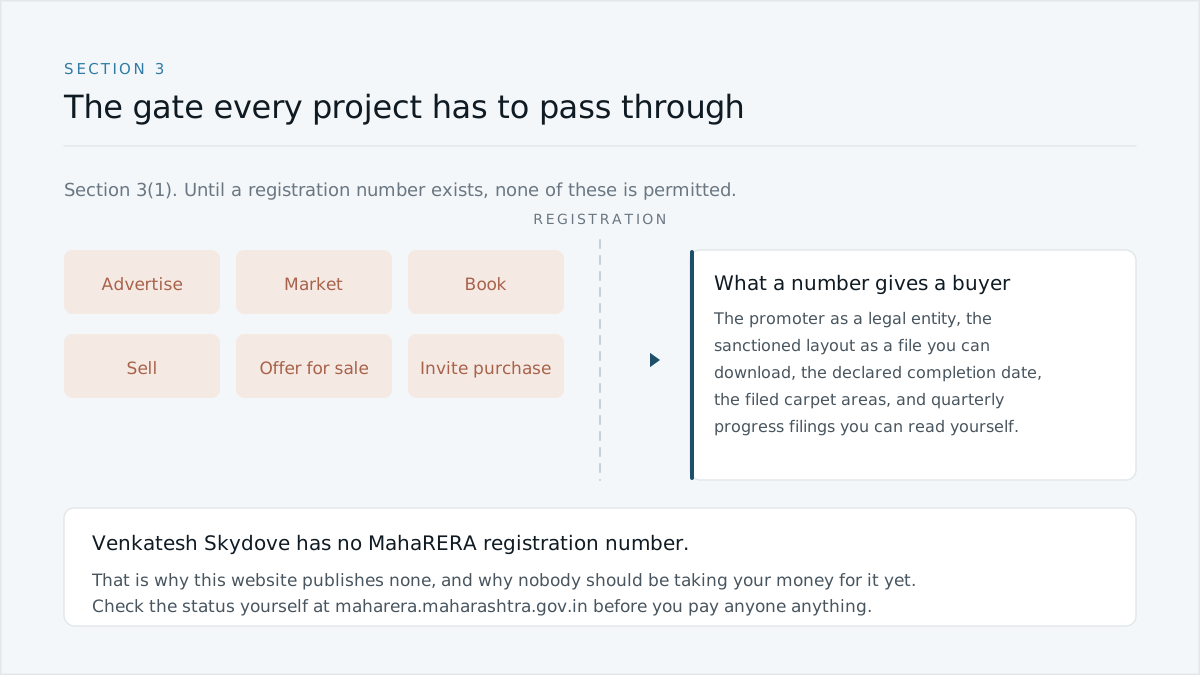
Neither document exists for this project, and neither should. Venkatesh Skydove has no MahaRERA registration, so under Section 3 there is nothing to book and nothing to allot.
Which makes this the right time to learn the difference rather than the week somebody slides a letter across a desk and asks you to sign it by Friday.
This is general information about the law rather than legal advice. Have your own agreement read by a lawyer before you sign it.
Section 3: what a builder may not do before registration
Venkatesh Skydove has no MahaRERA number. Under the RERA Act that is not a technicality about paperwork, it is a bar on advertising, marketing, booking and selling. Here is the actual rule.
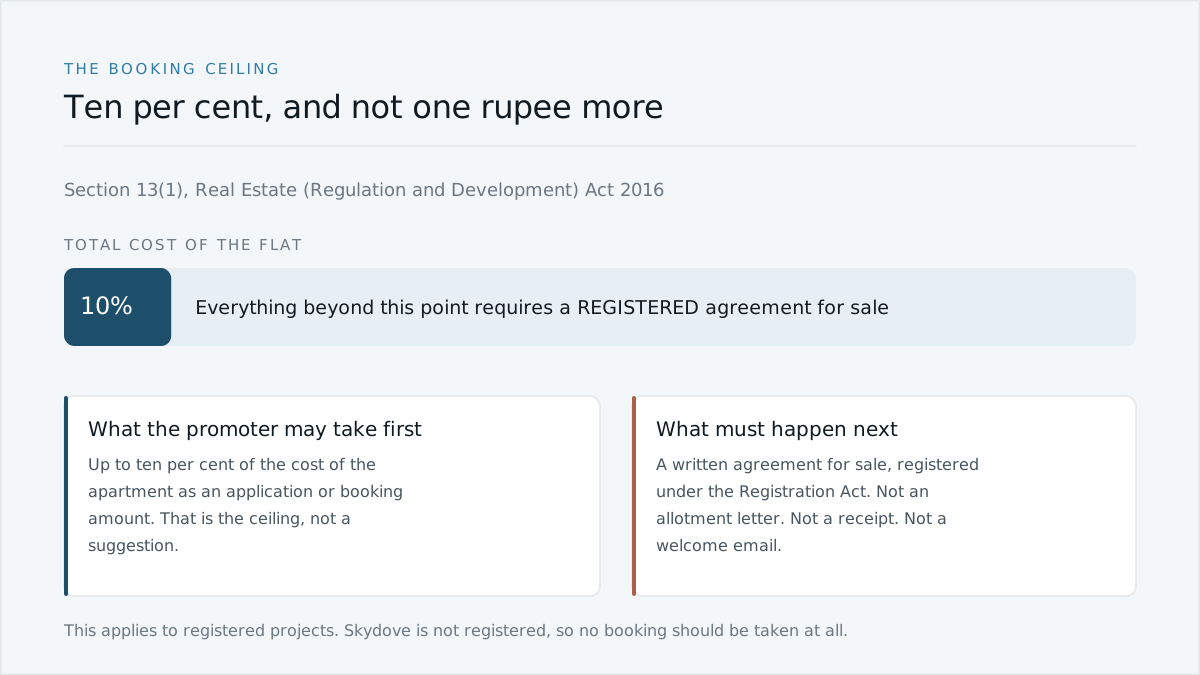
Section 13 caps what a promoter may take before a registered agreement for sale exists. Almost every buyer in Pune has been asked to cross that line, and most of them did.
The seventy per cent account: where your instalments are supposed to sit
The clause that stops your money funding somebody else’s site. It is the most useful thing in the RERA Act and almost no buyer knows the account exists.