Where Sinhagad Road’s water comes from, and why the mains keep bursting
This corridor runs from the city to the reservoir that supplies it. That is an advantage most Pune addresses do not have, and it comes with a specific set of things to ask about.
Venkatesh Skydove Sales · 5 August 2026 · 6 min read
Water is the question nobody asks on a site visit and everybody asks in the second summer.
On Sinhagad Road it has an unusually specific answer, because this road ends at Khadakwasla, and Khadakwasla is where a large part of Pune’s drinking water comes from.
The route, end to end
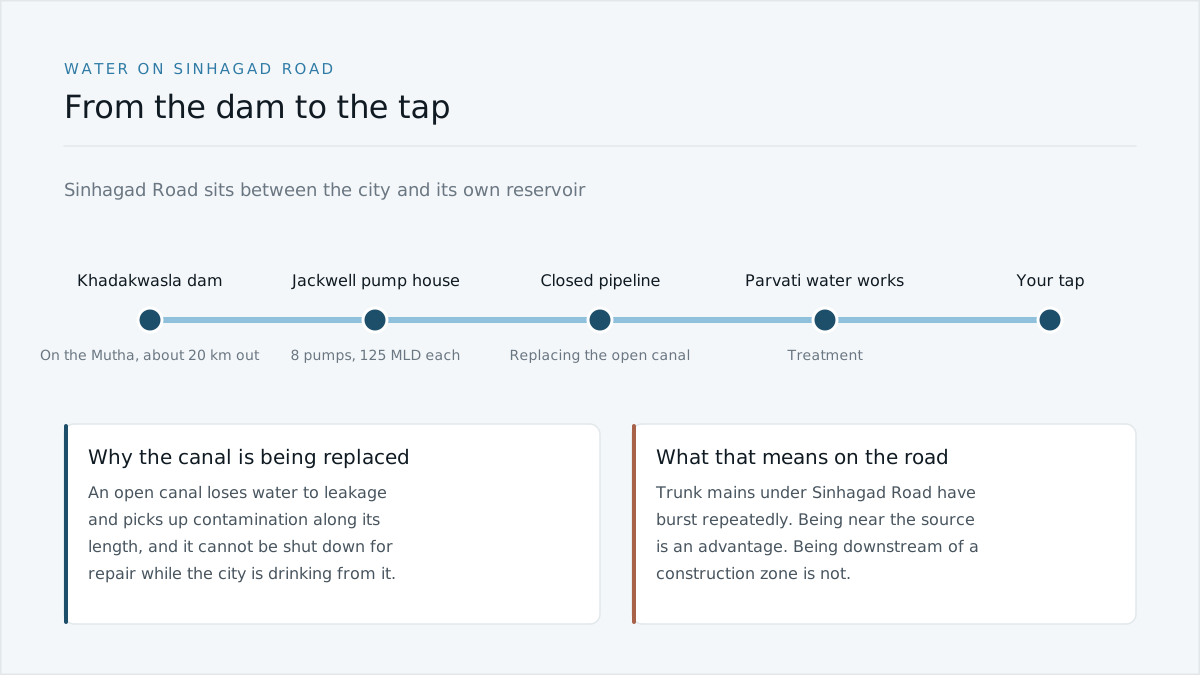
Khadakwasla is a dam on the Mutha river, about twenty kilometres from the city. Water leaves it, is treated, and is distributed. Historically it travelled part of that journey in an open canal running alongside this corridor.
The canal is being replaced. The Pune Municipal Corporation has built a jackwell pump house behind the dam, sixty metres by twenty-three, with eight pumps rated at 125 million litres a day, feeding a closed pressure pipeline to the Parvati water works.
Why they bothered
An open canal leaks, and it leaks at a scale that matters when the city is short. It also collects whatever the settlements along it put into it, which pushes up the cost of treating the water at the other end.
The worst part is that it cannot be repaired. You cannot shut down a canal for maintenance while a city is drinking from it, so the leaks stay. A closed pipeline can be isolated section by section.
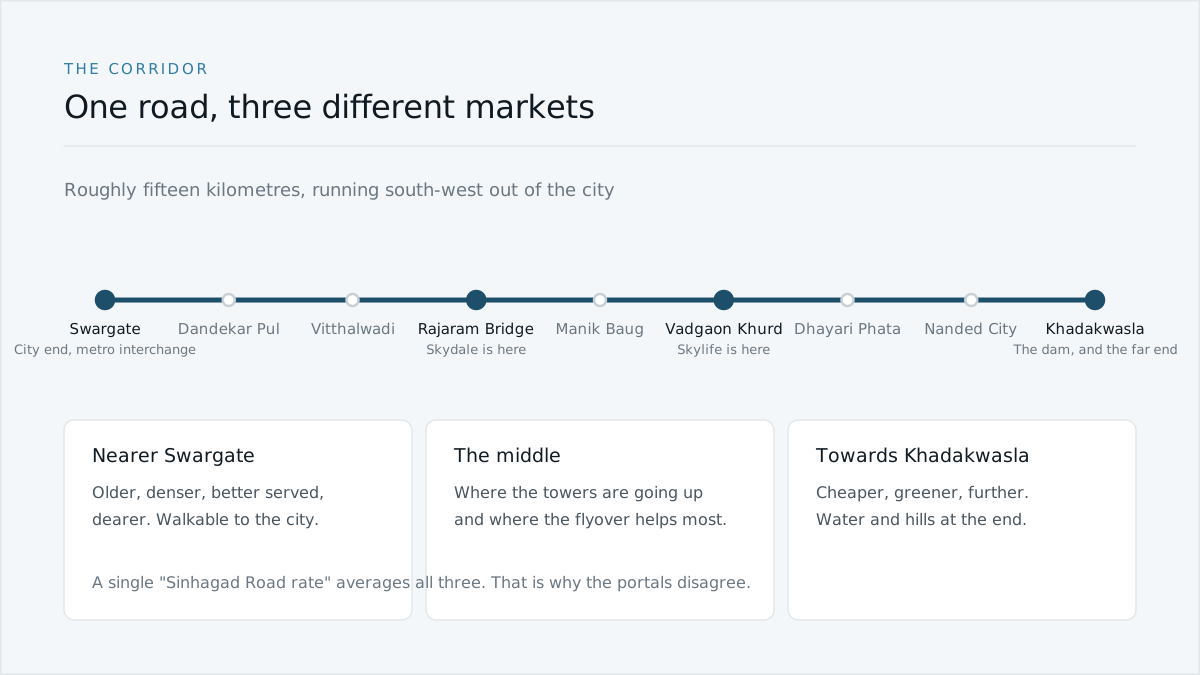
The corridor runs from the city to the reservoir. Position along it changes the water answer as much as it changes every other answer. · Illustration
The honest counterweight
Big pipes under a road being rebuilt is a combination that fails. A 700 mm main on Sinhagad Road burst more than five times in three months during one recent stretch, and a 1,600 mm raw water line from Khadakwasla towards Warje failed separately.
None of that is a reason to avoid the corridor. It is a reason to understand that proximity to the source protects you from scarcity, not from an outage. Those are different problems with different answers.
What to ask any project on this road
Is the scheme on the municipal main, or on borewells and tankers? Ask for the water connection sanction, not a reassurance.
What is the storage in litres, and how many days does it cover? A thousand-home scheme should be able to ride out a two-day repair without a tanker.
Is there a sewage treatment plant, and is treated water used for flushing and landscaping? On a scheme this size it changes the fresh water demand materially.
Is rainwater harvesting actually connected, or just built? The second is common.
How is water billed? Metered per flat or split across the maintenance is a significant difference in a household that travels.
Where Skydove stands on this
Unanswered, like everything else that needs a sanctioned plan. No water source, storage figure, treatment plant or harvesting detail has been published for this project, because the project has no MahaRERA registration and no released drawings.
The corridor-level answer is genuinely good. The project-level answer does not exist yet. If you want it the day it does, leave us your number and we will send it rather than guess at it.
Sinhagad Road property rates in 2026, and why every site gives a different number
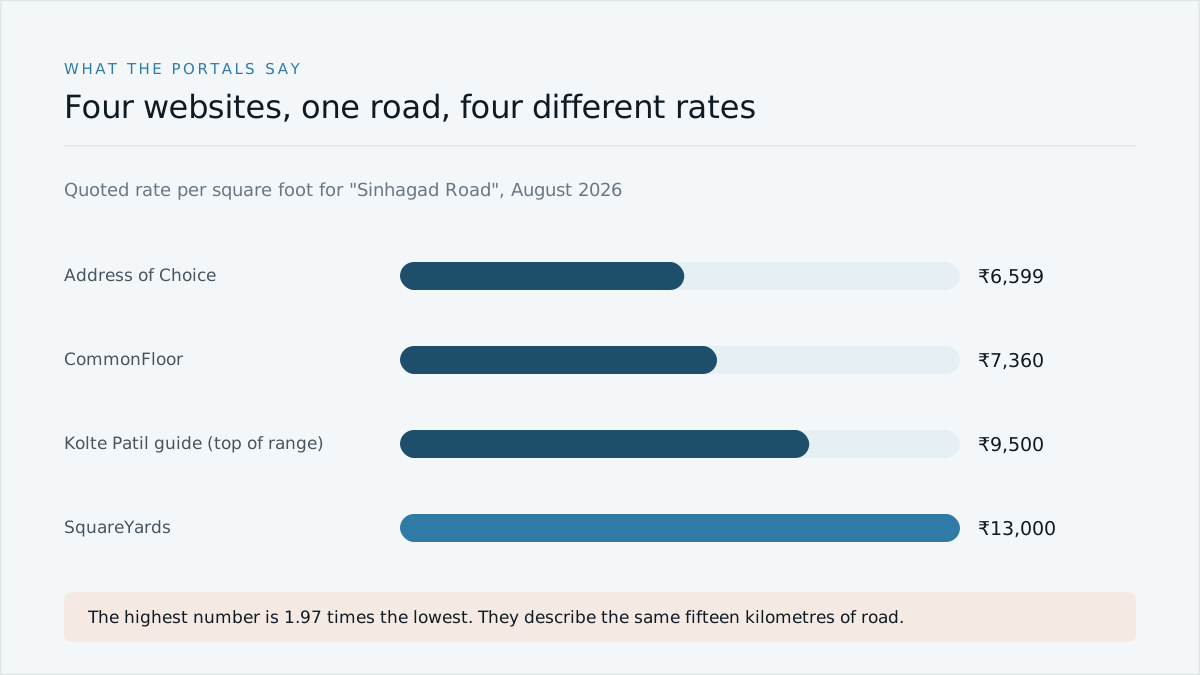
Four websites quote four rates for the same road, and the highest is nearly double the lowest. Here is what is actually being measured, and the one figure that is not an estimate.
Pune Metro Line 4: the six stations that change Sinhagad Road
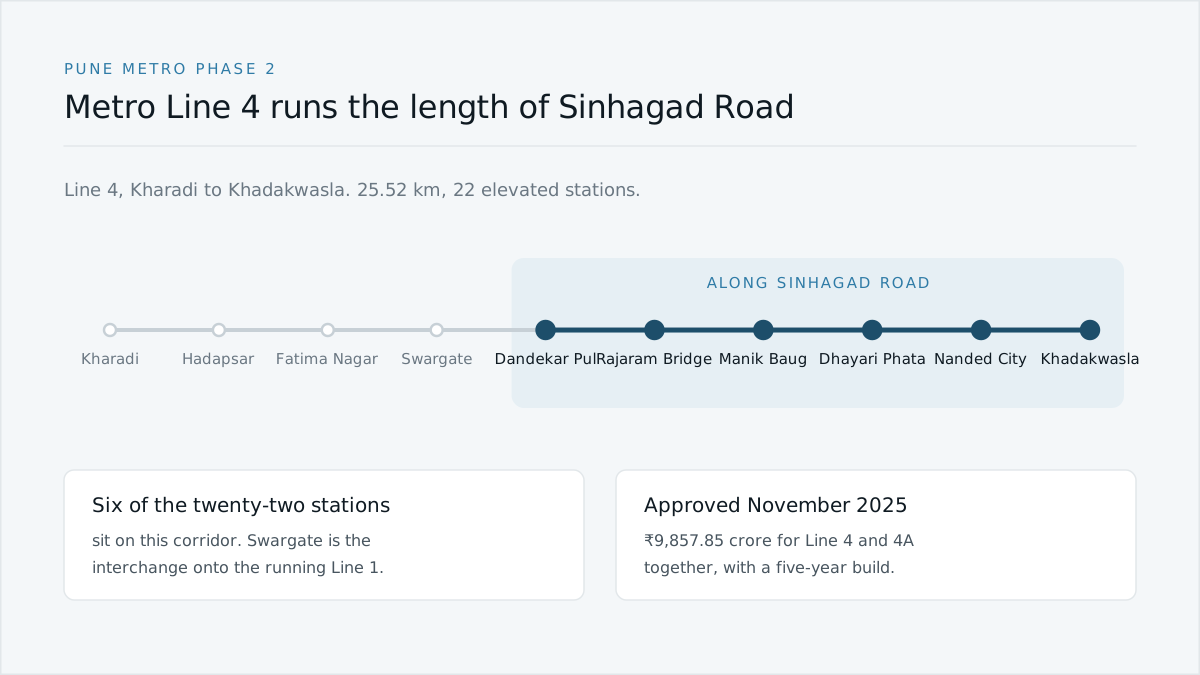
Kharadi to Khadakwasla, 25.52 km and 22 elevated stations, sanctioned in November 2025. Six of them sit on this corridor. Here is what that is worth, and what it is not worth yet.
Pune’s longest flyover, and the half hour it gave back
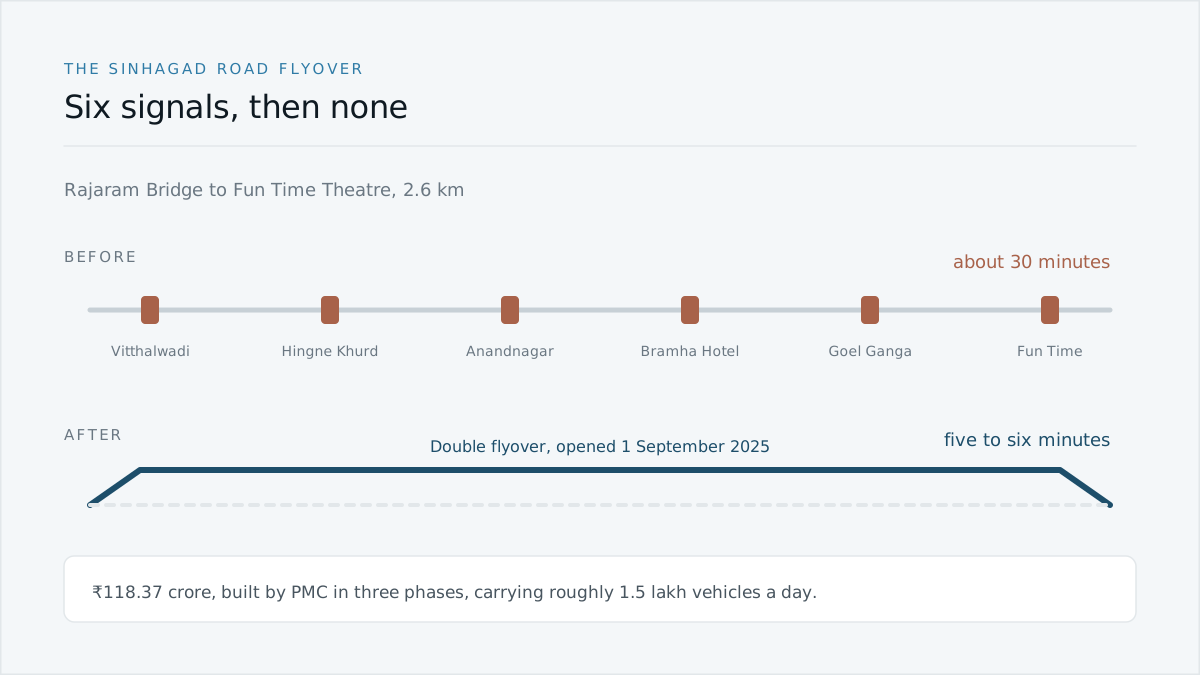
A 2.6 km double flyover opened on Sinhagad Road in September 2025. Six signals became none, and a thirty-minute crawl became five minutes. It is the biggest thing to happen to this road in a decade.